
Medicine
Sports injuries
Free
Most sports injuries are strains, sprains and bruises, and the usual first aid is right. Bernard asks what an injury might mean, how inflammation heals, and what an Integrative doctor adds to the usual approach.
Sports injuries include strains, sprains and bruises and are often referred to as tendonitis and bursitis. All the usual conventional approaches to management are appropriate and should be initiated immediately. These include resting the injured part, ice packs to decrease swelling and bleeding, compresses when indicated and sometimes elevation of the injured part.
In this article I will only be dealing with the approach to management outside the conventional medical model. There are two important areas which I wish to talk about. Firstly the ‘meaning’ of injuries and secondly how doctors of Integrative Medicine understand inflammation.
The meaning of injury
The idea that injuries are merely accidents needs to be examined. Most sportsmen and sportswomen recognize that accidents which lead to injuries are generally due to bad technique or loss of concentration and probably this is also true of many, if not most, other accidents and injuries. Is that it? Can one expect more meaning from such events?
To expect more meaning is to believe that perhaps there is much more going on in our lives than appears obvious.
Those that believe in a Spirit or God could ask whether spirit is trying to warn them, or teach them or give an impetus for a change in direction. Those that don’t believe in Spirit may still be curious about the play of life and how accidents and injuries happen, so often in ways that turn out to be so meaningful and have often changed the course of one's life. Even small injuries like a twisted ankle turn out so often to be full of synchronous associations and results which seem not to be just chance events.
I believe that very little is haphazard and that most things in our life follow patterns, processes and hidden agendas that may not seem obvious, but often become so with time.
So with every injury perhaps one should spend a little time asking the question‘Why has this happened to me at this time?’ or ‘Is life trying to send me a message?’. Is there something I can learn here?
Inflammation
Inflammation is the natural body response to any injury. It is purposeful and directed by the internal intelligence of the body. The body is a flowing system and with any injury we see this beautifully at work. Cells and fluids involved in the inflammatory process flow into the injured area. Then as the repair process is complete, these cells and fluids slowly disappear. The process is natural and healing cannot occur without this inflammatory process. It makes no sense to interfere with this process, and therefore anti-inflammatories in general are not a good idea. In fact they cause many deaths from bleeding ulcers. Thousands of people end up in hospital from side effects of these drugs.
While many natural preparations are referred to as anti-inflammatories, they cannot and should not be compared to chemical drugs referred to as anti-inflammatories. As indicated constantly in these articles, natural preparations do not have the power of drugs, and therefore in general cannot interfere with the body’s physiological processes. It would be much more appropriate to refer to these preparations as supporting the body’s inflammatory response towards resolution of the process in a more rapid and healthy way. Because these preparations are supporting health and flowing with the natural tendencies of the body, they do not need the power of chemical drugs. That is not to say that there is never a place for the use of drugs to control pain and help mobility in some cases, but the risks need to be assessed against the benefits and the use of natural medicines and approaches should always be considered first.
A poor inflammatory response can lead to poor healing and the formation of scars, fibrous tissue, slow healing and even chronic pain.
Management
1. Nutritional Support: The inflammatory response uses a whole range of nutrients which are required for optimum function. Deficiencies of any one nutrient could undermine the inflammatory reponse. Vitamin C for example plays a major role in the prevention and repair of injuries.Other important nutrients include vitamin A, zinc, vitamin E and selenium.
2. Flavonoids: are a group of plant pigments that are effective in improving the inflammatory response and stabilizing collagen structures. This group of nutritional products includes the proanthocyanidines (or procynidins) obtained from grapeseed extract or pine bark extract. Other flavonoids include quercetin, green tea and citrus bioflavonoids. As a group they are often referred to as ‘nature's biological response modifiers’ and have powerful supportive roles in inflammation and allergic responses.They are also very good anti-oxidants. The procynidins in particular inhibit destruction of collagen which is so important in the integrity of ligaments, cartilage and tendons and other soft tissue structures.
3. Bromolaine is a protein digesting enzyme complex from pineapple with hundreds of scientific papers written on its therapeutic application. It helps to reduce swelling, bruising and inflammation.
4. Curcumin: is the yellow pigment derived from turmeric and has been shown to have excellent anti-inflammatory and anti-oxidant effects with an extremely low profile of side effects.
5. Physical treatments: a number of approaches are used by practitioners and therapists.
The best treatment is the use of low-energy lasers which improves the healing response by at least 30-50% or more. The laser can be used in both the acute phase and also in more difficult chronic conditions. A family laser called the Comra is now available and is a useful tool for family use.
Physiotherapists use ultrasound and this also can be used in acute and chronic injuries.
6. Homeopathy: Single remedies such as Aconite, Arnica, Hypericum, Ledum, Rhus tox, Ruta and Symphytum can be used according to their particular homeopathic indications.
Other homeopathic companies have created their own particular homeopathic complexes which include a mix of the most important homeopathic remedies.
End notes
Sports injuries must be adequately managed from the beginning to prevent long term problems. Low-energy lasers are wonderful tools, especially in the acute phase, and should be readily available in gyms, sports clubs and even schools.
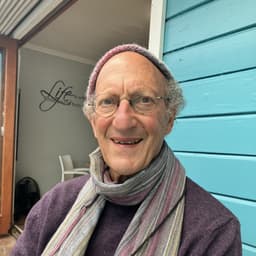
Dr Bernard Brom
Founder, Creating Health
Bernard Brom qualified in medicine in 1965. He gave it up, travelled for six years, and came back to spend the next sixty asking one question: how does health actually work? He founded the South African Society of Integrative Medicine, chaired it, started its first journal, wrote two books — and still sees a few patients every week, "to stay in touch with the territory."
Continue exploring